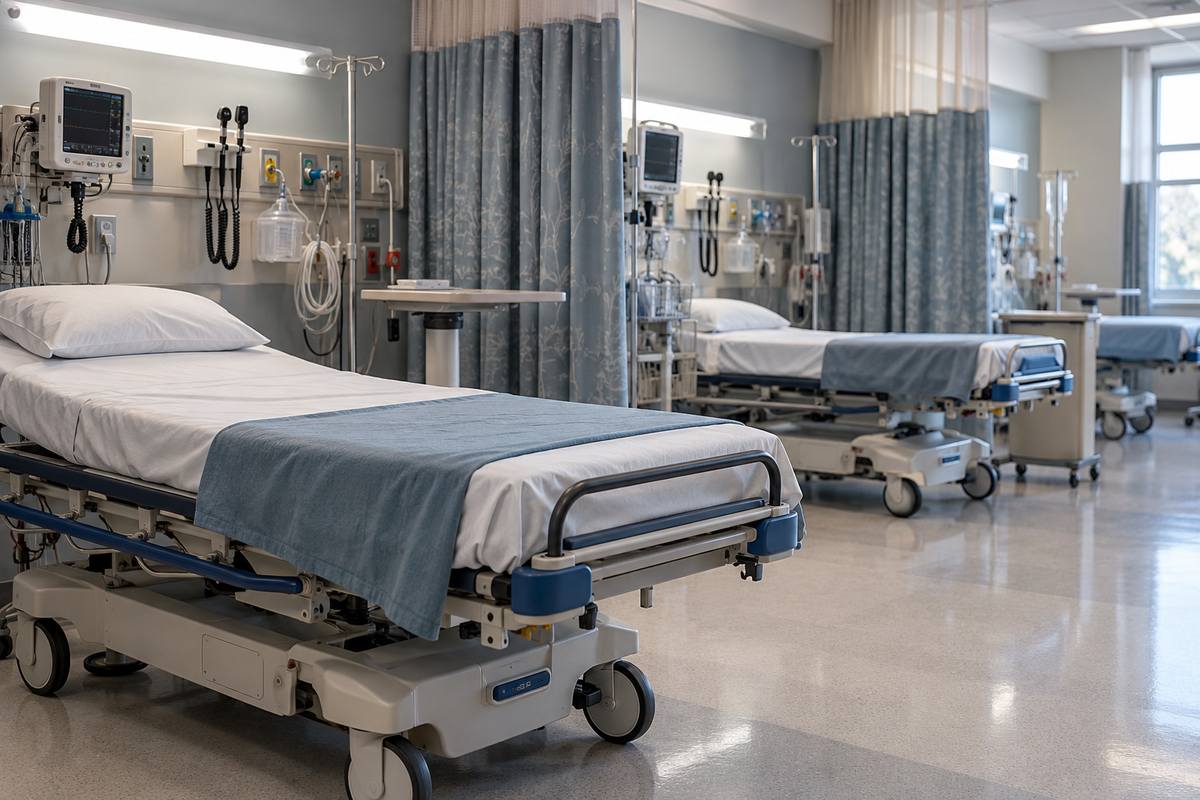

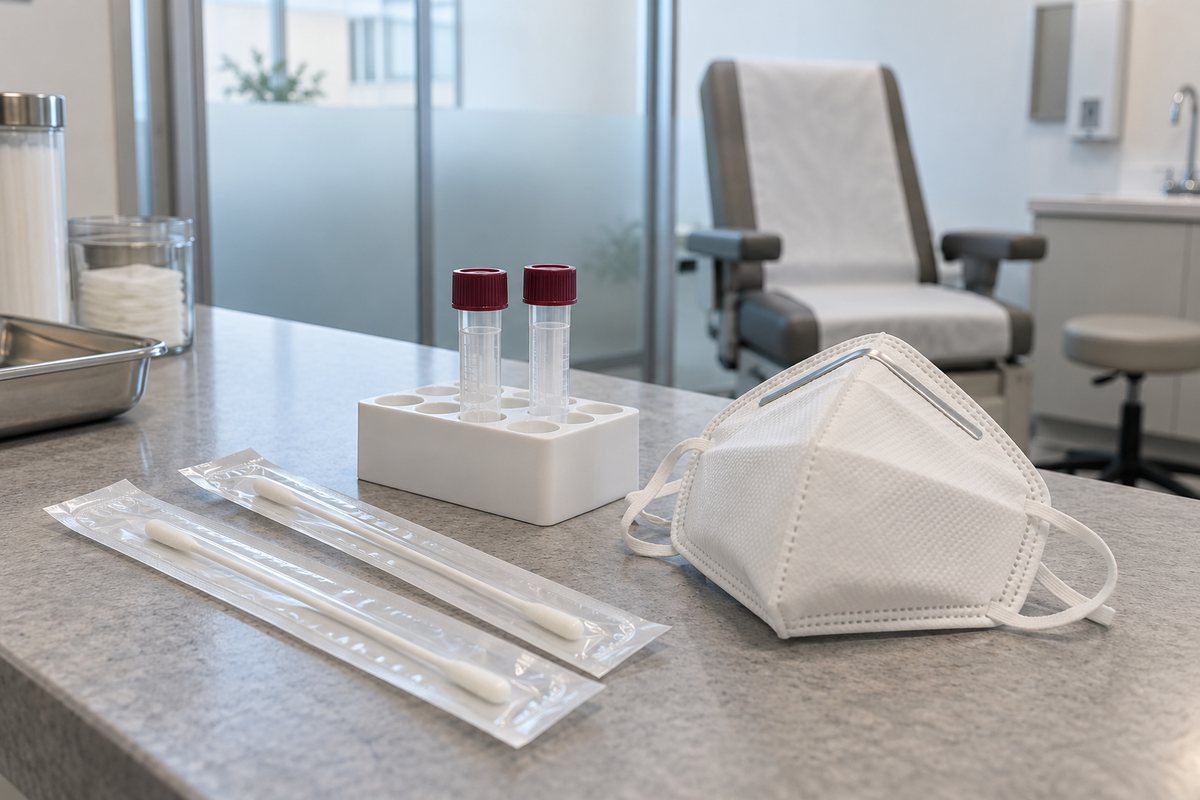
Pennsylvania hospitals and public health teams are expanding screening and vaccination outreach as a measles outbreak strains communities with gaps in immunity. The state Department of Health reported 731 confirmed cases across 38 counties on September 16, along with 141 hospitalizations and four measles-associated deaths. Clinicians say the response now includes precautions at hospital entrances, vaccination in homes and efforts to reach families who have difficulty accessing routine care.
The state recorded 38 additional cases since its September 14 update. Only four of the confirmed cases involved vaccinated individuals, according to the Department of Health, and all four people whose deaths had been confirmed were unvaccinated. These figures describe the state's mid-September assessment, rather than a final count for the outbreak. Health officials were continuing to update their dashboard as investigations progressed.
Reuters reported that the United States had recorded 3,294 confirmed measles cases through September 10. Pennsylvania's expanding outbreak therefore formed part of a much broader national resurgence. The state had become a major focus of concern, with clinicians encountering a disease that some had rarely seen during their careers. Local hospitals were adapting their routines to reduce the chance of additional exposure.
Dr. John Goldman, an infectious disease specialist at UPMC in central Pennsylvania, told ABC News that measles patients were now appearing regularly in hospitals and outpatient offices. He said some people arrived for unrelated medical problems and subsequently developed measles while hospitalized. He also believed confirmed case totals understated transmission because clinicians were hearing about other sick household members who had not been tested. His assessment was an observation from clinical practice, not a measured estimate of the unrecorded cases.
UPMC facilities were increasing screening for symptoms such as fever, rash, cough and conjunctivitis, Goldman said. Penn State Health Golisano Children's Hospital was using signs to alert visitors to the outbreak and direct potentially exposed patients to call before entering. Penn Medicine also displayed notices asking people with symptoms or certain exposure risks to seek guidance before coming inside. These precautions aim to identify potential infections before patients spend time in shared waiting areas.
Vaccination outreach was moving beyond conventional clinic visits. The Department of Health reported nearly 4,400 MMR vaccinations at 140 pop-up clinics in affected communities since the outbreak began in late April. State officials said additional clinics were scheduled according to community interest and need. Across Pennsylvania, healthcare providers administered more than 46,000 MMR doses in August, compared with approximately 25,000 in a typical month.
Chester County's public health director, Jeanne Franklin, told ABC News that staff had visited homes and businesses to administer vaccines. Penn Medicine Lancaster General Health continued providing free vaccinations for uninsured children, including in remote rural areas. These efforts reflect practical barriers that can persist even when residents are willing to be vaccinated. Bringing services closer to families can reduce the difficulty of reaching a vaccination appointment.
The American Academy of Pediatrics' Pennsylvania chapter was also working with schools and state officials to improve vaccine access and support pediatricians. Chapter President Dr. Toni Richards-Rowley cautioned against assuming that Amish communities uniformly oppose vaccines, explaining that transportation can be a significant obstacle. She said outreach through trusted local contacts had helped residents obtain vaccinations in familiar settings. The chapter was addressing misinformation alongside those access problems.
Community protection had weakened in some areas. AAP News reported that approximately 93% of Pennsylvania kindergartners were vaccinated in the 2025-2026 school year, with the figure at 88% in Lancaster County. The academy explained that measles requires immunity above 95% in a community to prevent widespread transmission. Its report emphasized the risks to infants who are too young to receive routine MMR vaccination and depend on protection from those around them.
Dr. Stanley Martin of Geisinger told WPSU, in a report carried by NPR, that declining vaccination rates were leaving susceptible people exposed. Geisinger was working with the state to provide vaccine clinics, while misinformation remained an obstacle. As Pennsylvania continues its response, clinicians are watching whether stronger screening and more accessible vaccination can interrupt transmission. The immediate work combines preventing exposure inside healthcare facilities with restoring protection in the communities they serve.
Sources
1. "Pennsylvania Department of Health Provides Statewide Update on Measles Outbreak as Cases Reach 731 in 38 Counties," Pennsylvania Department of Health, September 16, 2026.
2. "Pennsylvania measles cases top 700 after four outbreak-related deaths reported," Reuters, via DeWitt Daily News, September 16, 2026.
3. "How hospitals, clinics in Pennsylvania are responding to the measles outbreak," ABC News, September 16, 2026.
4. "AAP Pennsylvania Chapter president: Measles outbreak a perfect storm of factors," AAP News, September 16, 2026.
https://publications.aap.org/aapnews/news/pdfDownload/36101
5. "4 measles-associated deaths reported in Pennsylvania amid outbreak," WPSU/NPR, via KUNC, September 17, 2026.
https://www.kunc.org/2026-09-17/4-measles-associated-deaths-reported-in-pennsylvania-amid-outbreak